



7 Minute Read
On October 3 & 4, 2026, the skies in Grand Junction will shake, and thunder will echo with mighty force. This isn’t a storm, though. Planes, jets, and historic aircraft will take flight for two action-packed days as the Grand Junction Air Show returns. From high-speed demonstrations overhead to interactive experiences on the ground, excitement fills the air. This year’s show is even more special as it takes place during the America 250 and Colorado 150 celebrations. There’s no better time to gather beneath the open sky, watch the power and precision of flight, and celebrate the innovation, courage, and spirit that helped shape both our nation and Colorado.
Know Before You Go
A little planning will help you make the most of your Air Show weekend. There is no public parking at the airport, so spectators must park at designated locations and ride an Air Show shuttle to the event. Gates are open 8:30 a.m.–5:00 p.m. on Saturday and Sunday. Arrive early to allow time for parking, the shuttle ride and security, then explore the aircraft and activities on the ground before the action begins overhead. Check the official Grand Junction Air Show website before you head out for the latest schedule, parking and shuttle information, permitted and prohibited items, and other event updates.
In the Skies
U.S. Navy Blue Angels
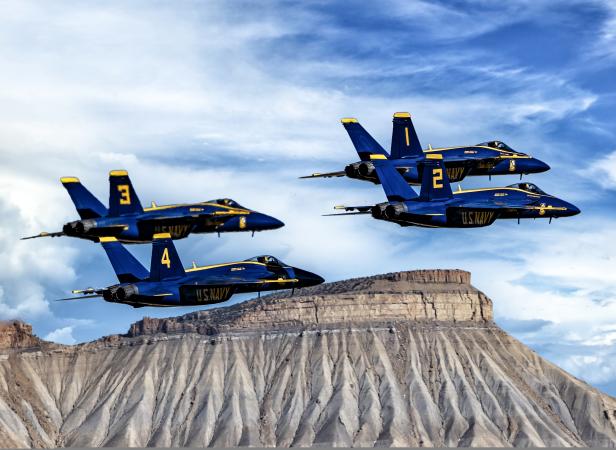
Photo by: Steve Traudt
The famed Navy Blue Angels are known for their aviation excellence - close flying, precision maneuvering, tremendous roar, and of course, the iconic blue planes. Since the Blue Angels were founded in 1946, the team has flown for over 500 million spectators worldwide. Watch the skilled Navy pilots loop, roll, and twist around each other in tight formations. During the demonstration, the jets reach speeds of about 700 mph, while at other moments they fly as close as 18 inches apart. In a breathtaking display of trust, skill, and raw power, the Blue Angels turn the sky into their stage—leaving the crowd below in awe long after the thunder fades.
The Blue Angels represent both the U.S. Navy and Marine Corps. While the team's famous Fat Albert is undergoing heavy maintenance in 2026, a Marine Corps KC-130J Super Hercules known as Ernie joins the team in Grand Junction.
Bonus: After the show, many of the pilots greet visitors, giving fans the rare chance to meet the people behind the flight suits, hear their stories, and take photos with the aircraft that just soared overhead. For many Blue Angels, seeing aviation up close at a young age helped spark a passion for flight. A moment at the Grand Junction Air Show could ignite that same sense of possibility for your little one.
Marine Corps KC-130J “Ernie”
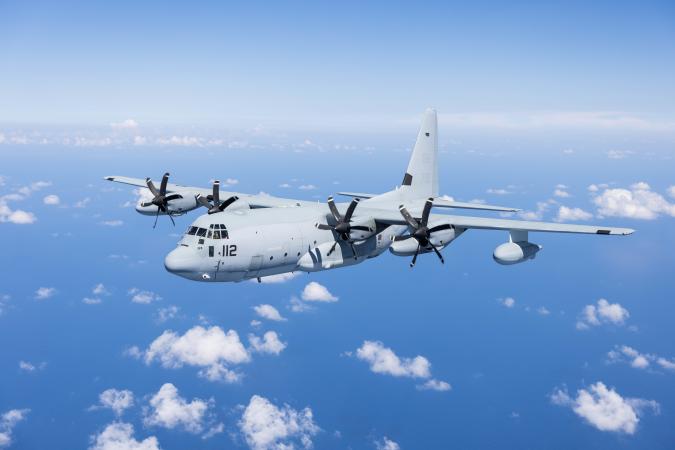
U.S. Marine Corps photo by Cpl. Jade Farrington
The U.S. Marine Corps KC-130J Super Hercules, known as Ernie, brings impressive size, power, and versatility to the Grand Junction Air Show. On loan to the Blue Angels while Fat Albert undergoes heavy maintenance, Ernie helps support the team throughout the 2026 season. Designed to perform a wide range of military missions, the KC-130J can transport troops and cargo, conduct aerial refueling, and operate in demanding environments.
Navy Leap Frogs
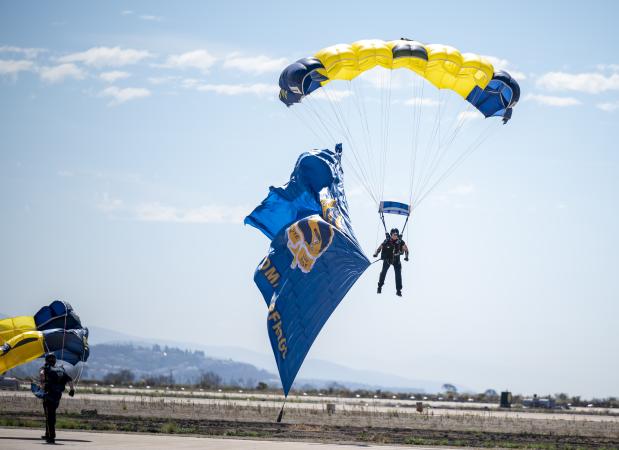
U.S. Air Force photo by Adam Bowles
The U.S. Navy Parachute Team, known as the Leap Frogs, traces its roots to 1969, when Navy SEALs and Underwater Demolition Team members volunteered to perform at weekend air shows. Officially commissioned as the Leap Frogs in 1974, the team showcases Navy precision and skill through thrilling parachute demonstrations. Leaping from aircraft thousands of feet above the ground, team members perform precision formations before maneuvering toward the landing zone below. Watch closely as teamwork, timing and control bring them back to earth.
F16 Viper Demo Team
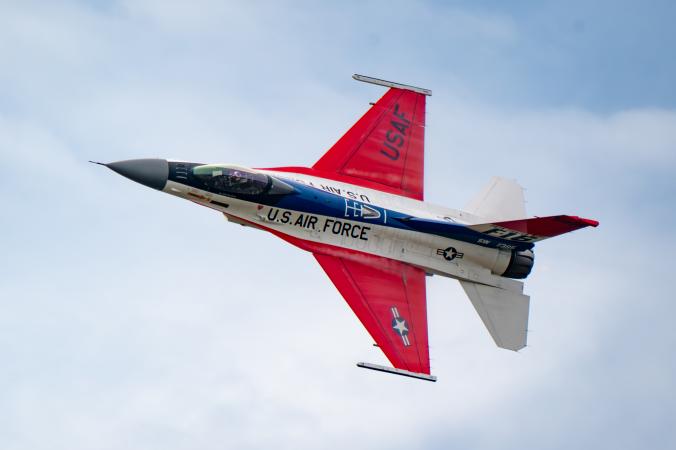
U.S. Air Force photo by Staff Sgt. Steven Cardo
Developed as a lightweight, multirole fighter for the U.S. military, the F-16 was designed for air-to-air combat and ground-attack missions, delivering speed, agility, and precision in the most demanding conditions. The F-16 Viper Demo Team showcases those capabilities as the fighter climbs, rolls, and accelerates with breathtaking force. Each maneuver highlights the aircraft’s incredible power, tight turning ability, and lightning-fast acceleration—giving audiences a thrilling glimpse of the performance that has made the F-16 one of the world’s most respected fighter jets.
C17 DEMO TEAM
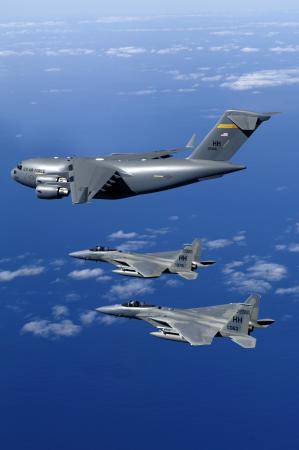
U.S. Air Force photo by Tech. Sgt. Shane A. Cuomo
Built as a strategic and tactical military transport aircraft, the Boeing C-17 Globemaster III carries troops, heavy equipment, and humanitarian aid across the globe, with the unique ability to operate from short or austere airfields where many large aircraft cannot land. The C17 Demo Team brings this massive aircraft to life in a powerful display of precision and strength. Watch this giant take to the sky as it climbs, banks, and maneuvers with remarkable control, revealing the extraordinary capability behind one of the world’s most trusted airlifters.
SKIP STEWART
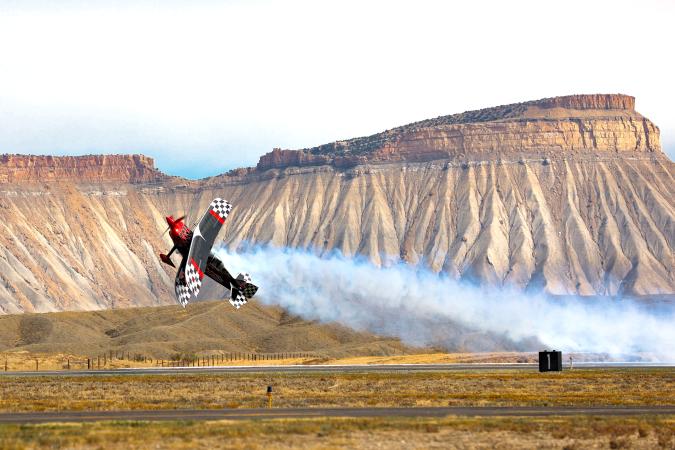
Photo by: Kelsie Bell
Built for high-performance aerobatics, the Pitts S-2S biplane is engineered for tight turns, rapid rolls, and gravity-defying maneuvers that push both pilot and aircraft to the limit. Watch as Skip Stewart pushes his custom S-2S, Prometheus, to the edge in a high-octane aerial performance. With explosive climbs, lightning-fast snaps, and daring low-level maneuvers, Stewart delivers a fast-paced routine that showcases just how far an aircraft and its pilot can be pushed.
BRAD WURSTEN
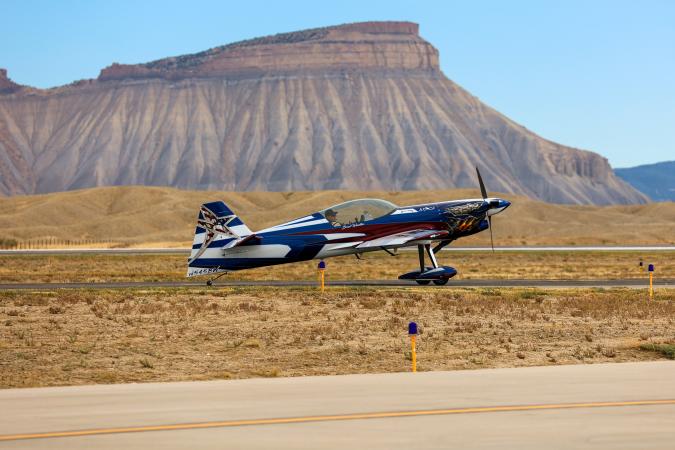
Photo by: Kelsie Bell
Built for elite aerobatic performance, the MX Aircraft MXS-R is a lightweight, single-seat, carbon-fiber aircraft engineered for exceptional agility, rapid climbs, and precise control in the air. Brad Wursten pushes the MXS-R through daring aerobatic sequences and dynamic maneuvers, putting both his skill and the aircraft’s remarkable capabilities on display high above the runway.
COMMEMORATIVE AIR FORCE TBM WWII BOMBER
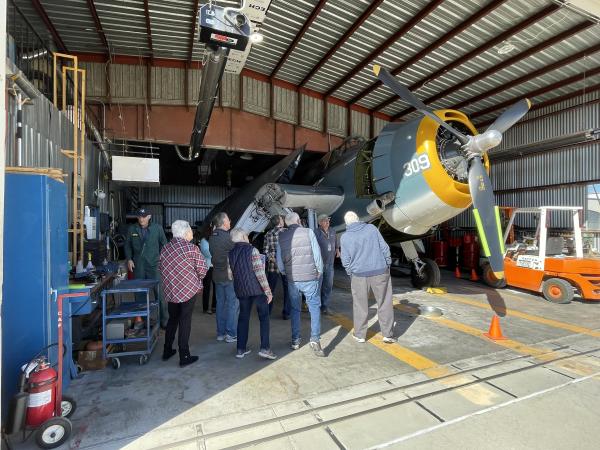
A true piece of aviation history, the TBM WWII Bomber played a critical role in World War II, delivering precision, firepower, and reliability in the most challenging combat missions. Housed in Grand Junction by the Commemorative Air Force Rocky Mountain Wing, this legendary aircraft allows guests to experience firsthand craftsmanship and the enduring legacy of one of WWII’s most iconic warplanes.
Step back into World War II aviation history with a 1945 TBM Avenger, an 18,000-pound, 1,900-horsepower torpedo bomber. Nearly 10,000 TBMs were built during the war, but fewer than 20 restored examples remain flying today. Based in Grand Junction with the Commemorative Air Force Rocky Mountain Wing, this rare aircraft brings history out of the museum and onto the airfield.
P51C MUSTANG “TUSKEGEE AIRMEN”
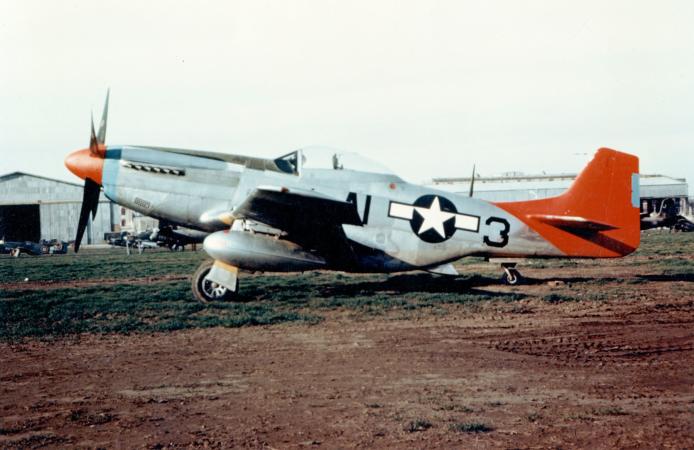
Photo by: U.S. Air Force
The North American P-51 Mustang became one of World War II’s most celebrated long-range escort fighters. The Tuskegee Airmen famously flew red-tailed P-51s while protecting Allied bombers over Europe, building a legacy of extraordinary skill, courage and perseverance while breaking racial barriers in military aviation. The P-51C appearing in Grand Junction carries that recognizable red-tail paint scheme and serves as a flying tribute to their story. One of only a few aircraft like it still flying, it brings an important chapter of American history directly to the airfield.
THE PINK JET
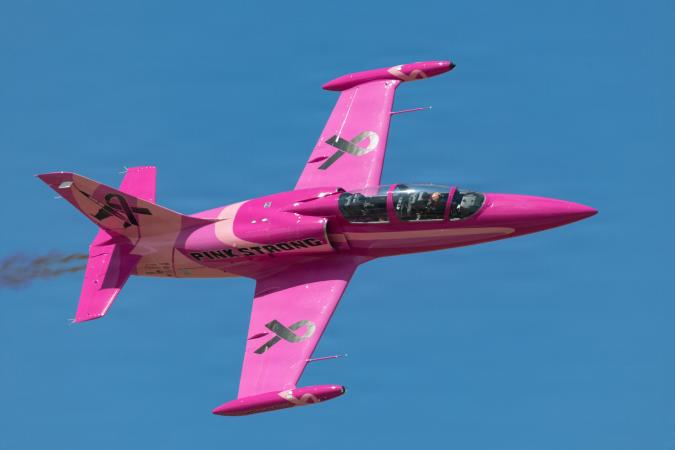
U.S. Air National Guard photo by Tech. Sgt. Hampton Stramler
Developed as a high-performance military jet trainer, the L-39 Albatros was designed to prepare pilots for advanced fighter aircraft, becoming one of the most widely used jet trainers in the world. The Pink Jet uses aviation to raise awareness and funds for breast cancer organizations while supporting survivors. Flown by talented women aviators, the brilliant pink L-39 carries a message of strength, hope, and resilience across the country.
FRANKLIN FLYING CIRCUS
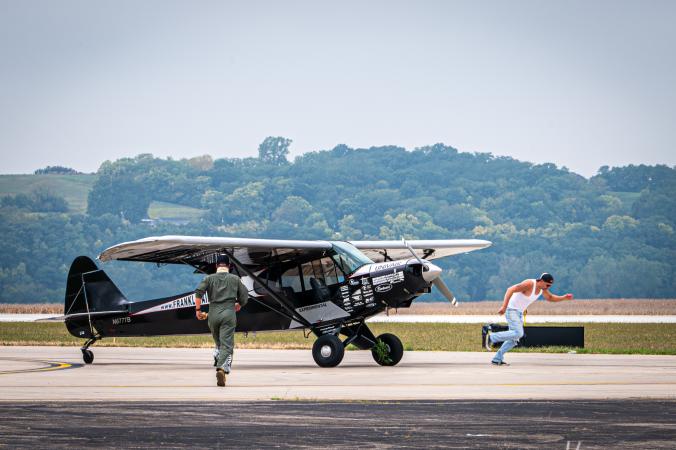
U.S. Air National Guard photo by Master Sgt. Patrick Evenson
For more than 55 years, the Franklin name has been synonymous with unconventional air show entertainment. Kyle Franklin continues that tradition with a career spanning more than a dozen acts in six different aircraft. From wingwalking and solo aerobatics to motorcycle-to-airplane transfers, stunt driving, comedy and aerial dogfights, expect the unexpected when the Franklin Flying Circus takes over the runway and sky.
Yellow Thunder
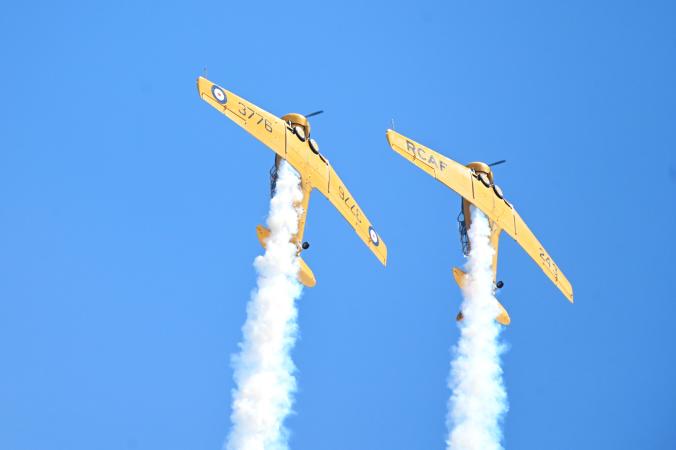
U.S. Air Force photo by Senior Airman Colleen Anthony
Flying a pair of North American Harvards, Yellow Thunder brings formation aerobatics, precision flying, and plenty of horsepower to the skies. Watch as the two aircraft fly through loops, rolls, Cuban eights, hammerheads, formation passes, and a high-energy tail chase, leaving trails of smoke across the sky. The synchronized maneuvers showcase the skill and coordination required to keep two powerful aircraft moving together through each turn, climb, and roll. With the unmistakable roar of two Harvards flying in formation, Yellow Thunder delivers a performance you can hear almost as much as you can see.
On the Ground
NAVY SPECIAL WARFARE STRIKE GROUP

Photos by Dan Rachal, NTAG Portland Public Affairs
Experience the Navy through an immersive mixed-reality adventure. Meet sailors and explore STEM careers while getting a hands-on look at the technology and teamwork behind life in the Navy. Step aboard a virtual aircraft carrier to launch an F-35C, take the controls of a full-motion flight simulator, or tackle a Navy diver mission. This mobile experience puts visitors inside several Navy roles—without ever leaving the air show grounds.
COLORADO STATE PATROL
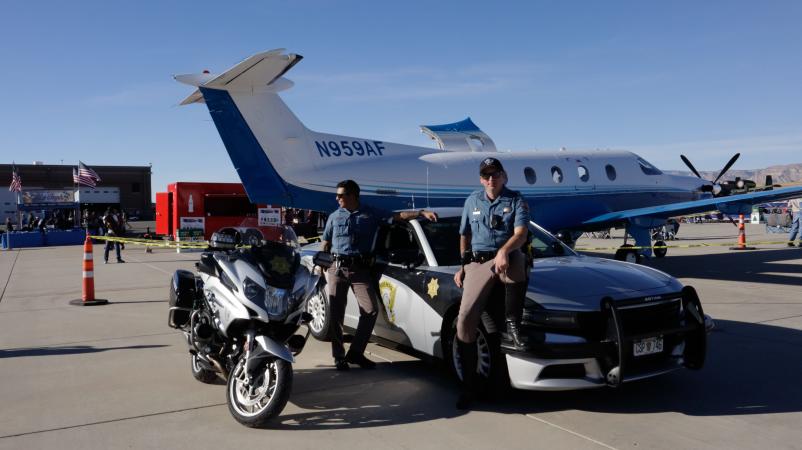
Photo by Zach Matthews
The Colorado State Patrol will be on hand with resources for families and drivers, including child passenger safety information and Colorado traffic safety education. Stop by to ask questions and pick up practical tips for keeping your crew safe on the road.
All this happens against the stunning backdrop of Grand Junction. The airshow grounds are surrounded by the Bookcliffs – the longest continuous cliff face in the world, the Grand Mesa – the world's largest flat-top mountain, and the Colorado National Monument – 20,500 acres of intricate canyons. Explore what else Grand Junction has to offer.
Find more fun-packed annual events on pages 42 and 43 of the Official Grand Junction Visitor Guide!