



4 Minute Read
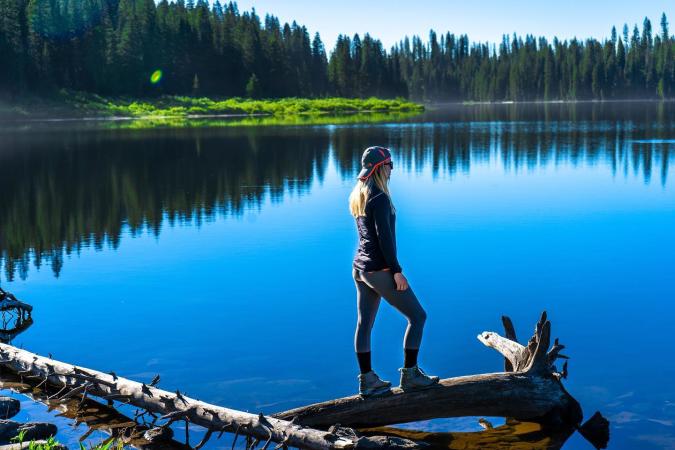
Photo by @desertflowerfarms
Reaching over 11,000 feet and encompassing over 500 square miles, the Grand Mesa provides hundreds of hikes with the peace and tranquility you expect when spending time with nature. Only 45 minutes from Grand Junction, the top of the world’s largest flat-top mountain is an outdoor playground bursting with over 300 lakes that are swimming with trout. Because the Grand Mesa is so expansive, many trails offer a peaceful, uncrowded experience, and a bonus—you can hike with your dog off leash. *Just be sure they are under good verbal control, especially due to the moose who thrive in this area.
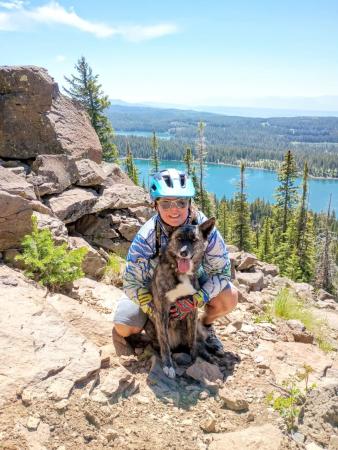
The most common way to access the Grand Mesa is on Highway 65. Designated as the Grand Mesa Scenic Byway, Highway 65 starts in De Beque Canyon off I-70 and climbs upwards through a steep canyon before opening up to stunning vistas of the Grand Mesa and the Grand Junction area. Pull-offs provide convenient stops to take in the breathtaking views and snap a photo.
Hike on Top of the World
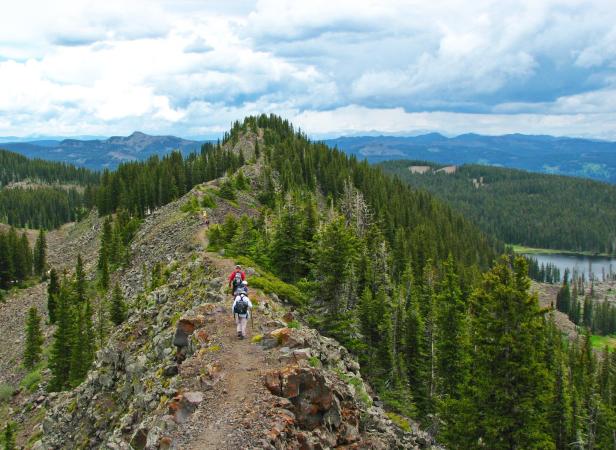
When standing on top of the Grand Mesa, it's easy to feel like you're on top of the world. However, it is possible to climb even higher. Crag Crest Trail is a popular 10.3-mile loop trail that follows a ridgeline high above the surrounding landscape. From the impressive height of Crag Crest, you can see for hundreds of miles in all directions on a clear day.
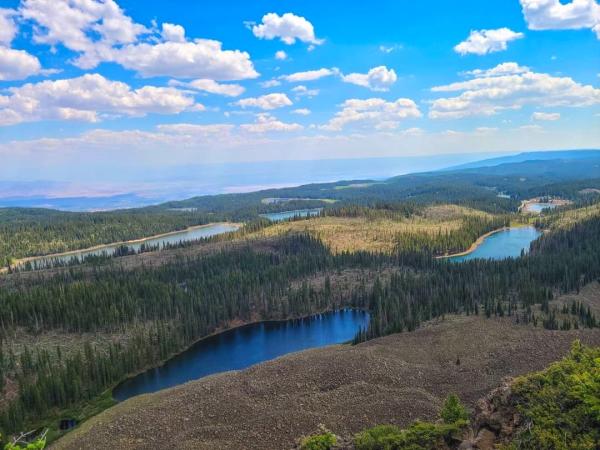
Photo by Kristen Hawley
As you hike along the trail, enjoy the view of sparkling lakes that shimmer below you. Across the entire Grand Mesa, there are over 300 alpine lakes, and over a dozen are visible from Crag Crest. Above you, bald eagles and hawks glide through the air.
Discover a Forgotten Lake
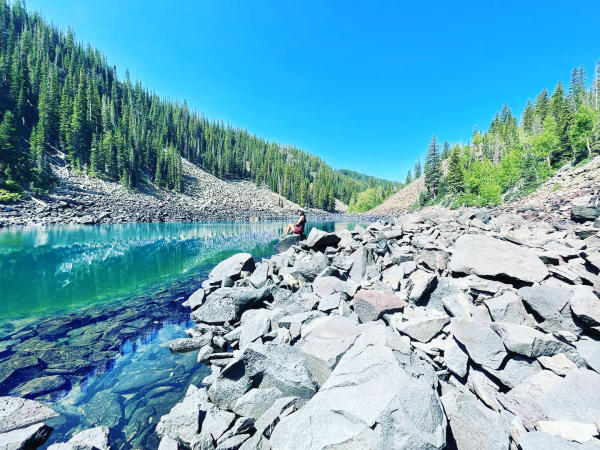
Tucked away within the dense pine forests you’ll find Lost Lake, an alpine lake nestled amongst basalt boulders. Only a 2.5-mile round trip from the Glacier Springs Trailhead, the Lost Lake Trail meanders through a canopy of giant pine trees that is dramatically different from many of the red rock hikes found in the Colorado National Monument.
After roughly a half-mile, you'll come to South Mesa Lake. The trail follows the north shore of the lake, and if you're interested in fishing, it's hard to find a more perfect spot to cast a few lines. From the shore, fish can be seen swimming in the clear blue water. The trail to Lost Lake continues another half mile to the top of a ridge and the lake lies below on the other side.
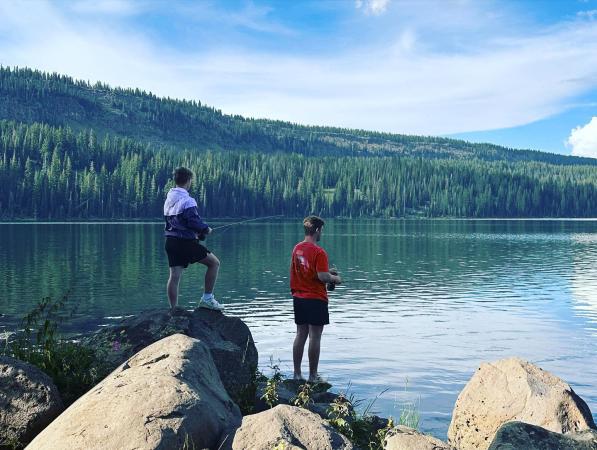
Descending towards Lost Lake is like walking into an ancient land. Protected by steep mountainsides, the water is calm and reflective. There is a quiet serenity in the air, making it an ideal place to escape to for a relaxing afternoon. Bring along a hammock and lounge in the trees shoreside as you become one with the forest. The abundance of trees and serene alpine lakes make the Lost Lake area a popular spot for moose to visit, so keep your eyes peeled for these majestic giants and always steer clear of them.
Visit Lands End
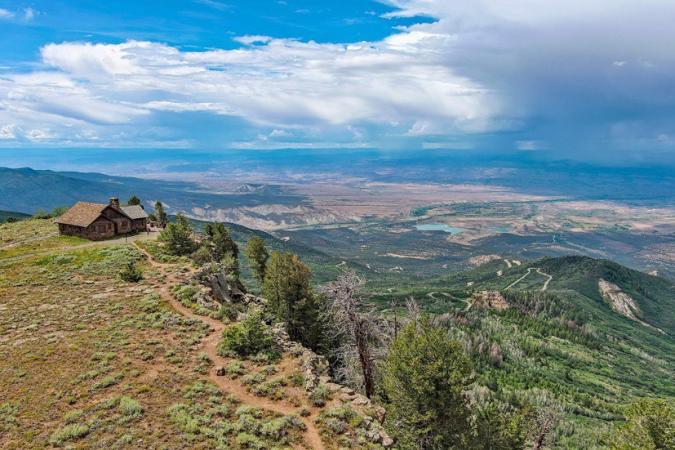
The Lands End Observatory is 12 miles off Highway 65 on a road that is half paved, half dirt, but easily accessible even for smaller vehicles. While this historic observatory might no longer be in use, it is aptly named. The land ends here with steep cliffs and sweeping views. From Lands End, if you look to the west, you can see the La Sal Mountains in Utah, over 120 miles away. To the southeast, Uncompahgre Peak along with several other 14,000-foot mountains can be seen. Colorado National Monument, Unaweep Canyon, and Big Dominguez Canyon are visible from this lookout, as well.
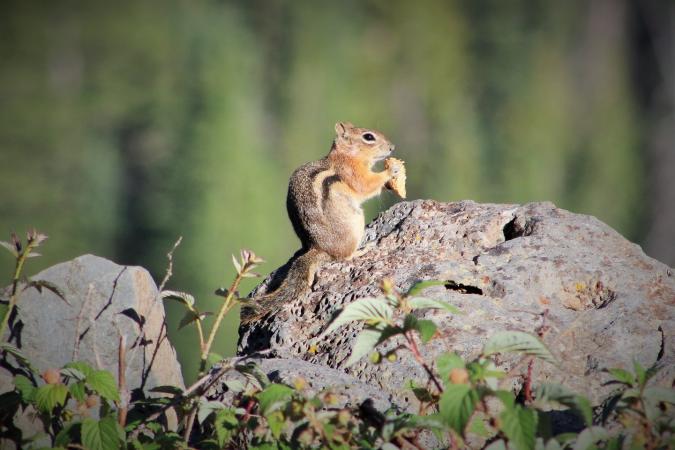
Photo by Keira Hawkins
In addition to the grand vistas, Lands End is also home to hundreds of chipmunks. Feeling right at home between the high pine trees on the cliffside and the cracks and crevices between rocks, chipmunks dart back and forth, seemingly playing tag with one another.
The Lands End road also continues down from the observatory towards the Town of Delta. Through a series of quick switchbacks, the road descends down the cliff face. Along the way, there is a waterfall and natural spring that crashes over the boulder fields. Since this is filtered water that comes from beneath the Earth's surface, it's a favorite place for hikers and backpackers to refill their water supply.
Camping
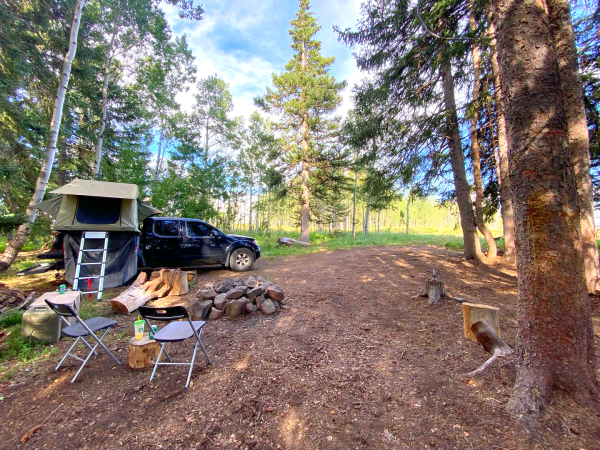
Choose from multiple campgrounds on the Grand Mesa for an overnight stargazing retreat. While Little Bear Campground is currently closed for reconstruction, Jumbo and Ward Lake campgrounds remain open. Please note that Ward Lake campground is available on a first-come, first-served basis and cannot be reserved. Jumbo campground accepts reservations but also offers a limited number of first-come, first-served sites. If you prefer the certainty of having a campsite secured in advance, consider staying at an RV or campsite in Grand Junction, only 45 minutes from the Grand Mesa.
*On the Grand Mesa, your dog must be leashed on the Crag Crest Trail, all campgrounds, and the Grand Mesa Visitor Center.
Looking for more adventures on the Grand Mesa? Check out pages 12 and 13 of the Official Grand Junction Visitor Guide!